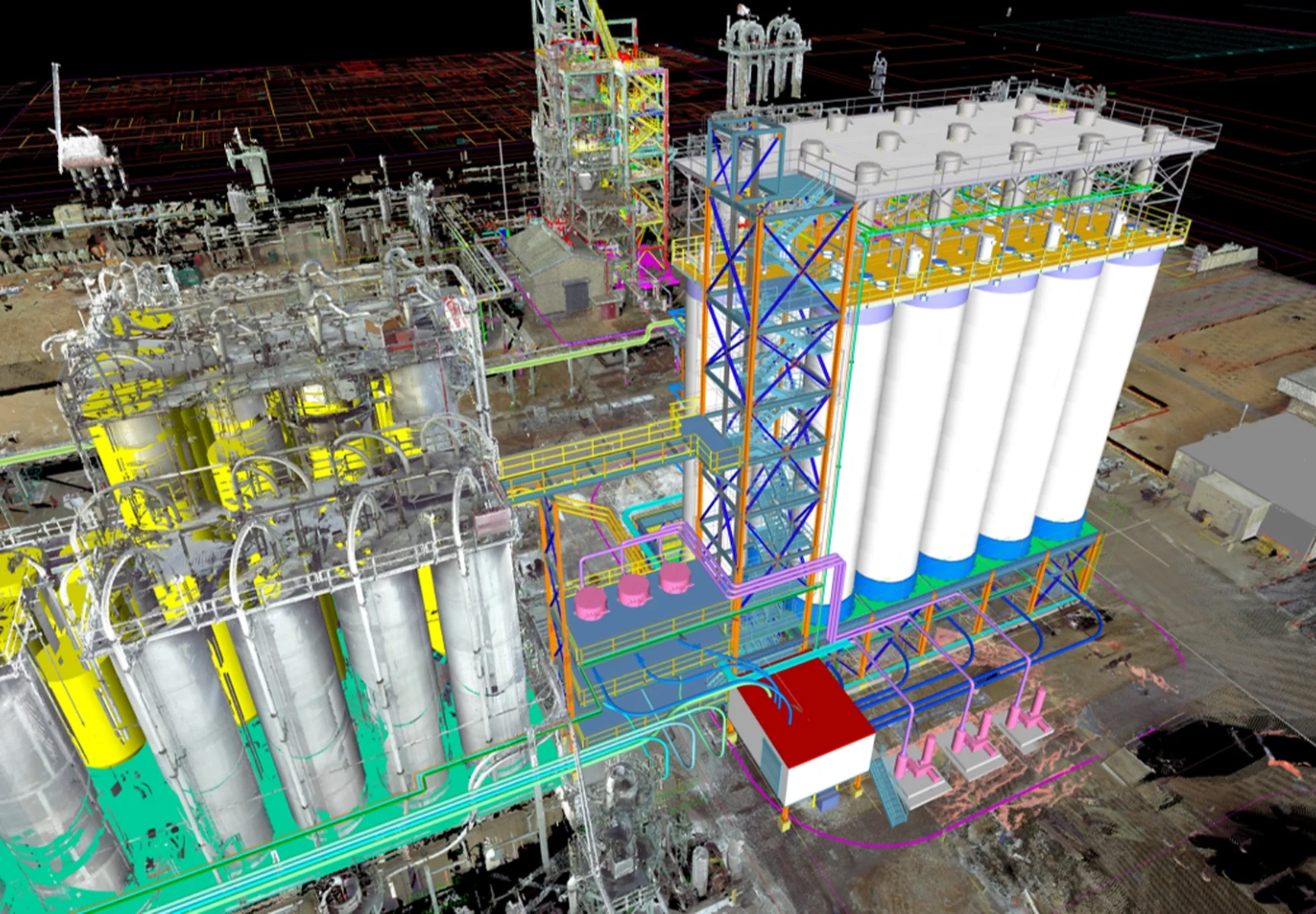
Structured Front-End Loading (FEL) for Capital Decision Making
Using a structured Front-End Loading (FEL) methodology to guide projects allows our team to establish technical clarity and protect capital before moving to the next stage of the project. This delivers clearer stakeholder alignment on scope, budget, and schedule and better risk management by identifying and mitigating risks early.
Clearly identified phases and decision points enhance collaboration and communication, resulting in improved quality through having a defined execution approach from the beginning.
FEL 1 — Feasibility & Project Purpose
We evaluate high-level technical feasibility, site constraints, utility capacity and potential integration challenges. Early conceptual thinking and preliminary assessments are used to identify major risks before additional resources are committed.
Typical outputs include:
- Defined project purpose and objectives
- High-level utility and infrastructure review
- Initial major risk identification
- Order-of-magnitude cost and schedule range
- High level project scope document
FEL1 develops initial project information to allow clients to make more informed decisions regarding further capital allocations by better understanding project risks and potential return on investment
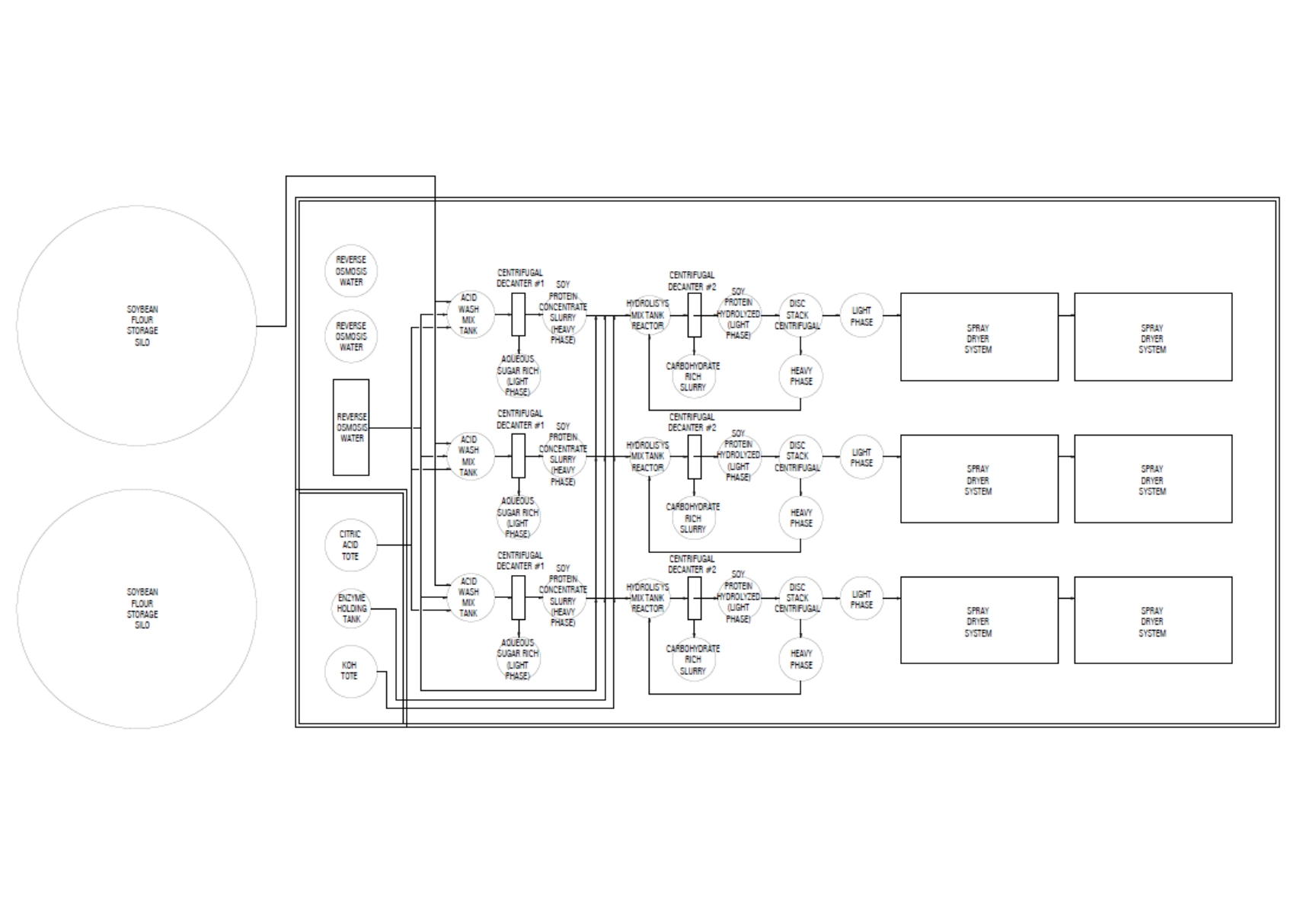
FEL 2 — Conceptual Design & Option Evaluation
This phase evaluates different project options to best align with the purpose and objectives of the project.
Process flow diagrams, preliminary layouts and early system definition are developed to clarify scope. Utility load lists, control narratives and equipment identification begin to take shape.
Typical outputs include:
- Issue for Design Process Flow Diagrams (PFDs)
- Issue for Review P&IDs
- Equipment identification, sizing, and mass and energy balance reviews
- Utility Requirements List
- Conceptual equipment layouts and integration concepts
- Updated project budgets and schedules
FEL 2 narrows options and aligns scope with budget expectations.

FEL 3 — Project Definition
This phase defines and finalizes project scope, budgets, and schedules.
Our team ensures all systems are aligned before execution begins. We use 3D modeling to confirm routing, constructability and equipment placement, as well as identify and procure long-lead items.
Typical outputs include:
- Issue for Design P&IDs for process and utility systems
- Equipment specifications, data sheets, and bid packages for long-lead equipment
- Detailed layouts and integration modeling
- Complete PHA and HAZOP analysis if required
- Electrical area classification drawings panel concepts, and control systems architecture
- Issue for Bid Packages developed from the 3D model with detailed BOMs to support accurate cost and installation estimates
- Separate packages for Mechanical / Electrical / Civil / Structural
- Detailed project budgets and schedules with construction defined
- Construction planning inputs
FEL 3 prepares the project for execution while minimizing field rework.
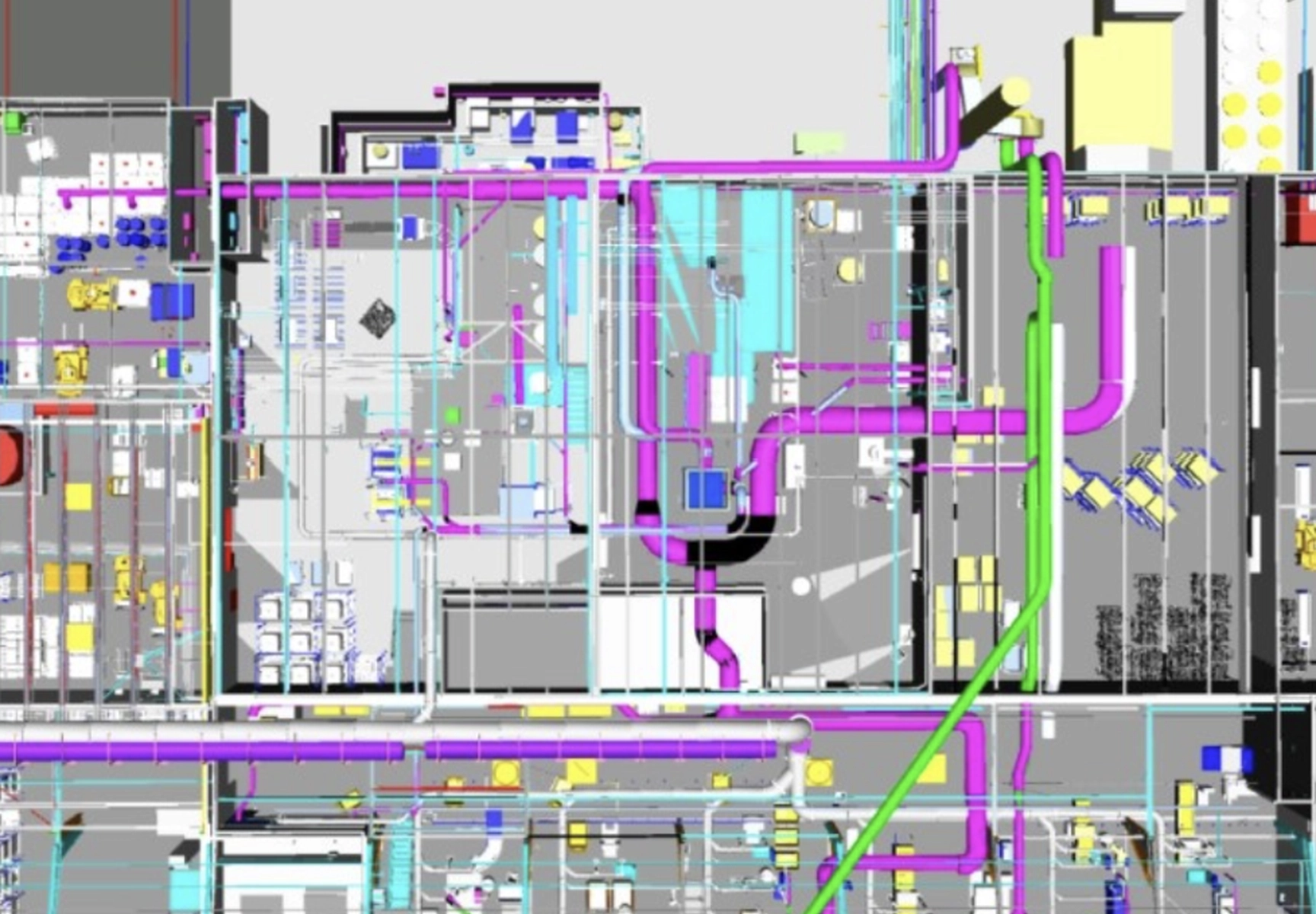
FEL 4 — Project Execution
This phase develops the project packages required for equipment procurement, construction, and startup and commissioning.
Typical outputs include:
- Issue for Construction Packages (Mechanical / Electrical / Civil / Structural)
- Define and procure all non long lead equipment
- Construction support and field coordination with installation reviews against design
- Process and equipment review and validation prior to startup
- The same team that completes the design and engineering supports field activities to startup and commission all equipment.
FEL 4 ensures alignment between design intent and operational performance.