Industries
Why Industry Experience Compounds
Industrial engineering problems share underlying structure regardless of the sector. At Cortex, our engineers carry experience across industries — not as generalists who adapt on the fly, but as practitioners who have worked through the specific challenges these industries present. When a project in an unfamiliar sector surfaces a familiar class of problem, our team knows what questions to ask and what decisions matter most.
Industries Where Cortex Has Delivered
Our team has executed projects in the following sectors alongside our core industrial and manufacturing work:
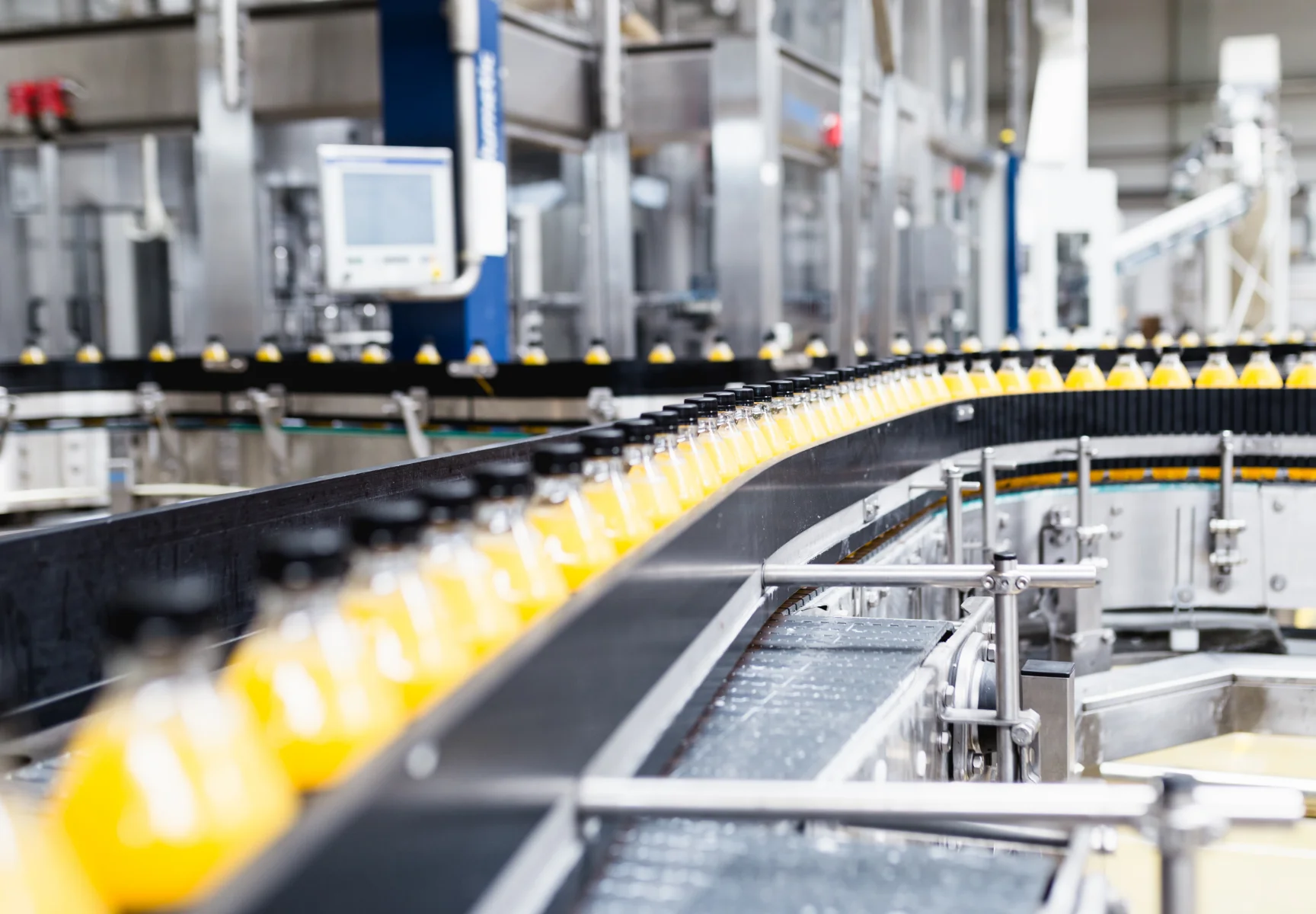
Cosmetics & Consumer Products
Consumer products manufacturing requires tight process control, material compatibility considerations, and — in many cases — regulatory compliance under FDA oversight for personal care or OTC products. Our team has supported facility projects in this space, bringing process system design, utility coordination, and cleanability requirements developed from pharmaceutical and food & beverage experience.
The engineering discipline required to design a filling or blending system for a cosmetics manufacturer is the same discipline applied to any process-driven facility: understand the material, define the process, build the system to perform reliably and be maintained practically.
Waste Incineration & Hazardous Waste Processing
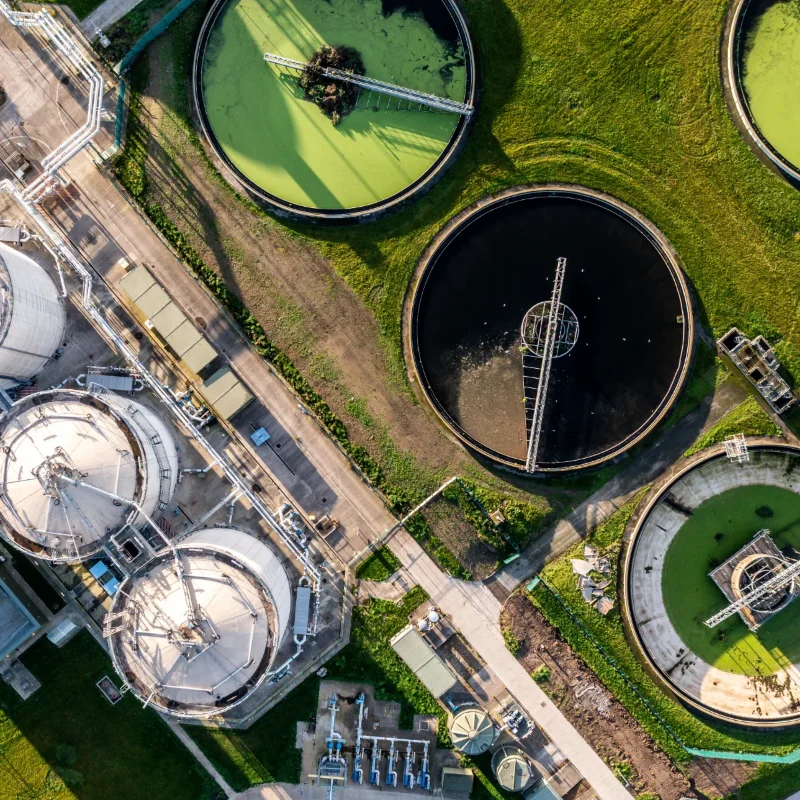
Waste incineration facilities — and hazardous waste incineration in particular — operate under demanding process conditions and strict regulatory frameworks. Combustion systems, thermal oxidizers, emissions controls, and feed handling systems require engineering teams that understand process safety, material handling and high-temperature system design.
Our experience in this sector spans process system design and infrastructure coordination for facilities operating under EPA compliance requirements. The same process-centered approach applied to chemical manufacturing — evaluate existing conditions, define process requirements, design to integrate cleanly — applies directly in these environments.
Fertilizer Manufacturing
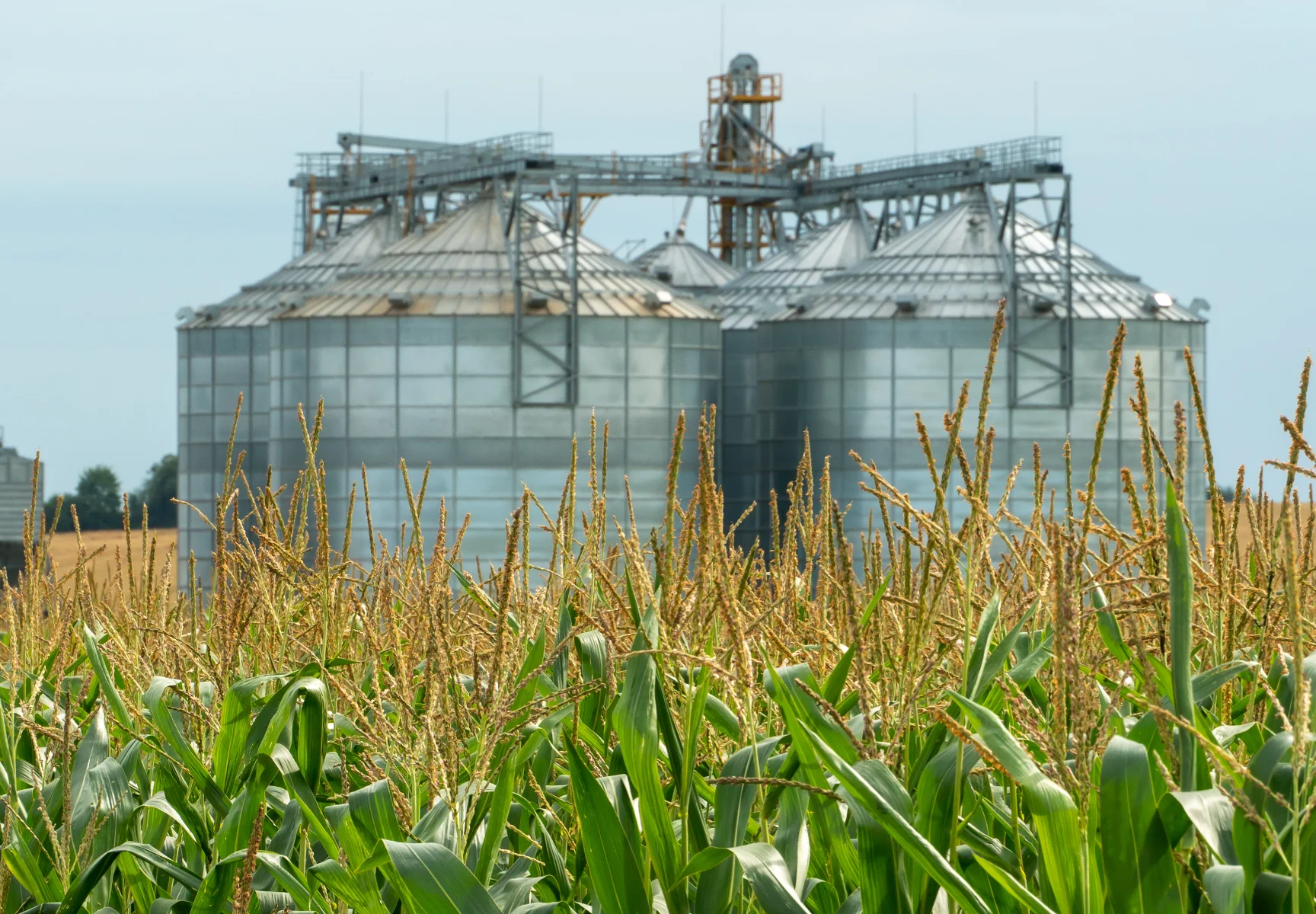
Fertilizer production involves continuous or batch process environments handling reactive materials under elevated temperature and pressure conditions. These facilities require careful process design, robust utility infrastructure and controls systems capable of managing complex reaction chemistry.
Cortex has supported fertilizer manufacturing projects where process system modifications, utility upgrades and instrumentation improvements were required within operating facilities. Capital discipline and phased engineering are particularly important in these environments, where shutdown windows are limited and scope changes during execution are costly.
Biorefineries & Synthetic Fuel Production
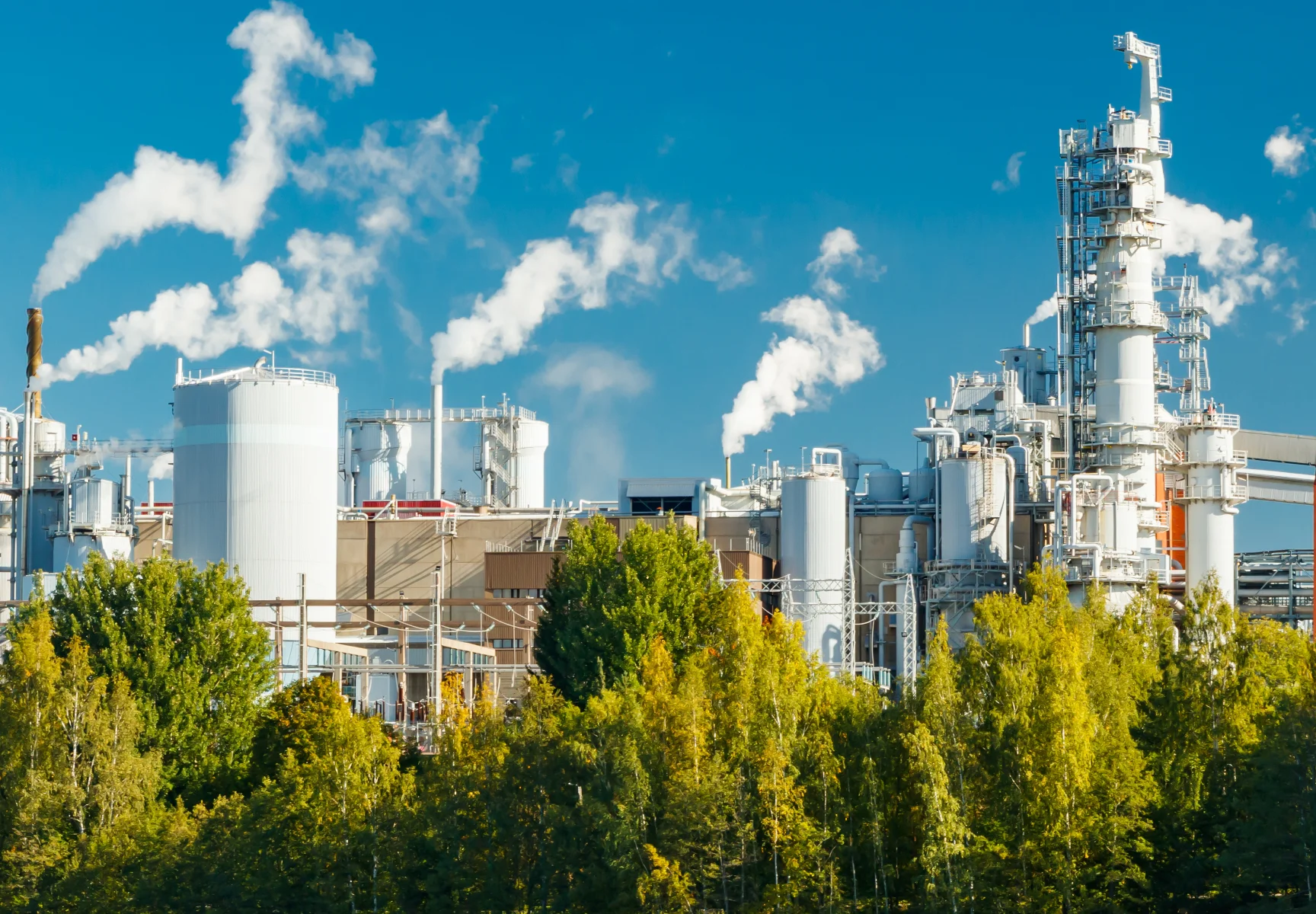
Biorefineries producing synthetic fuels present complex process engineering challenges: separation systems, reaction systems, heat integration, and utility infrastructure that must perform reliably in environments where feedstocks and process conditions vary. Front-end engineering rigor is critical — process viability and capital cost must be well-understood before significant resources are committed.
Our team has contributed to projects in this space, bringing mass and energy balance discipline, phased engineering methodology and utility systems design from our broader industrial work. The engineering fundamentals that support a capital project in a refinery or chemical plant translate directly to the challenges these facilities present.
Nitrile Glove Manufacturing
Nitrile glove manufacturing is a continuous, high-throughput process environment built around precise chemical formulation, temperature-controlled dipping lines, and reliable utility delivery at scale. Latex compounding, coagulant application, curing ovens, leaching systems, and post-processing all demand close coordination between process, mechanical, and utility systems — any gap in infrastructure capacity or process control directly affects product quality and line throughput.
Cortex has supported engineering work in this sector, applying the same process-centered approach used in chemical and industrial manufacturing environments. Utility systems — steam, process water, compressed air, and thermal systems — must be sized to production demand and designed with enough flexibility to support line modifications or capacity expansions without requiring wholesale infrastructure replacement.
