Industries
How Cortex Helps Pharmaceutical & API Manufacturing Teams
Pharmaceutical and API projects require engineering teams that understand both how to design and build process systems and how those systems will be reviewed, qualified and maintained in a regulated environment. We evaluate existing facilities and process conditions before design begins, with the capability to support projects from early planning and front end design through construction coordination and IQ/OQ/PQ execution.
Laser scanning and integrated 3D modeling are used early to capture field conditions and confirm how new systems will fit. In regulated environments, confirming fit and integration before construction begins reduces installation risk and controls project schedules.
Facility Design & Equipment Integration
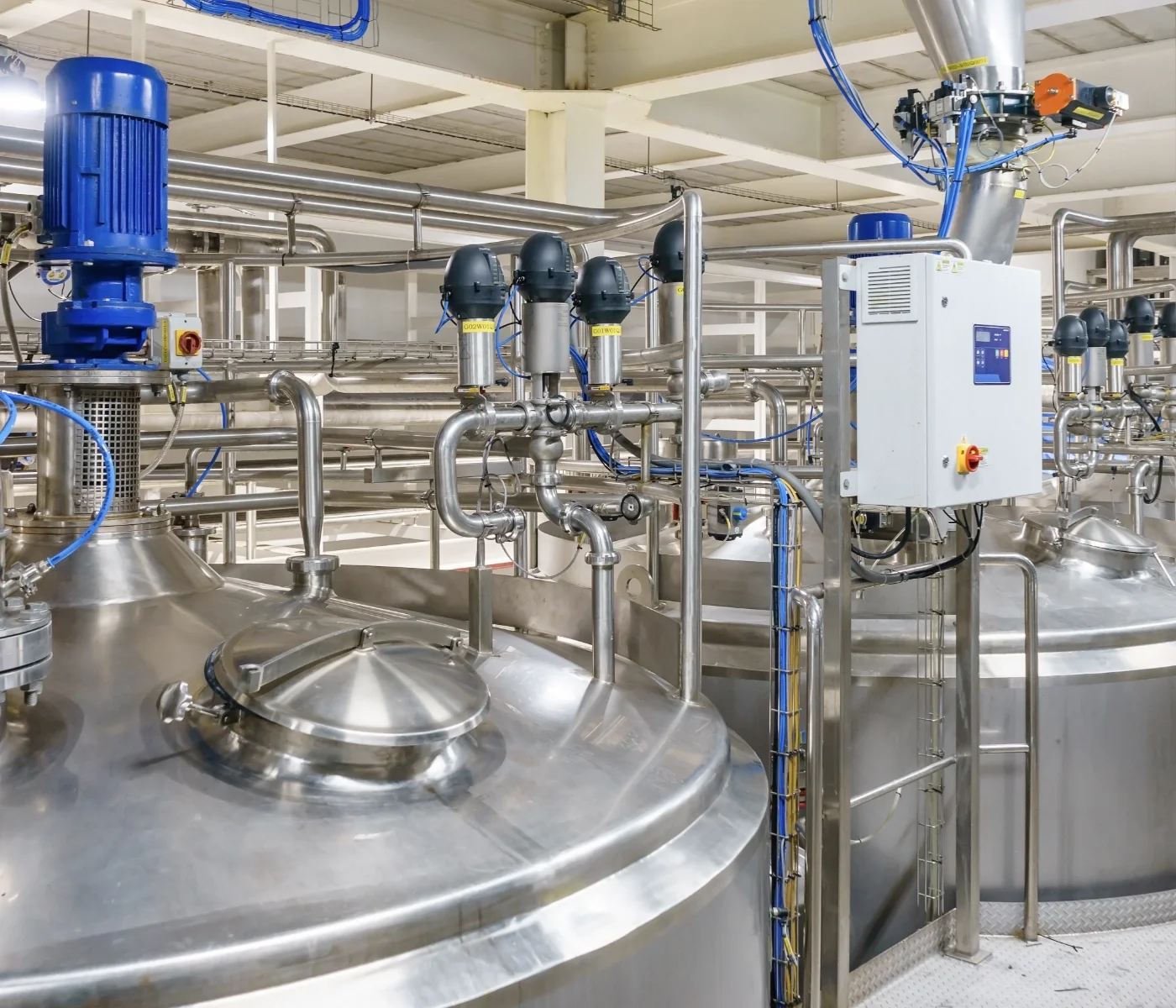
We evaluate existing facility conditions and define what must change to support new processes, expanded capacity or modernized equipment. This includes process system design, equipment specification, piping and mechanical design, structural support and utility coordination — all developed in alignment with cGMP requirements and applicable design standards.
New systems are integrated with existing process infrastructure with installation conditions, material requirements and regulatory implications considered throughout. Phased engineering allows teams to confirm feasibility and cost before committing capital. 3D modeling supports layout validation and installation scheduling so projects can be executed with minimal disruption to operations and validated systems.
cGMP Compliance & Regulatory Navigation
Pharmaceutical and API facilities operate under design standards that go beyond general industrial requirements. Pipe slopes, material finishes, valve specifications, cleanability and containment are requirements that affect product safety, regulatory standing and qualification timelines.
Cortex brings qualified engineers with direct pharmaceutical experience who understand what these standards require and how they are applied in practice. We work with the entire client team to ensure design decisions are understood, documented and defensible at every project phase.
Process Validation, Documentation, and Turnover
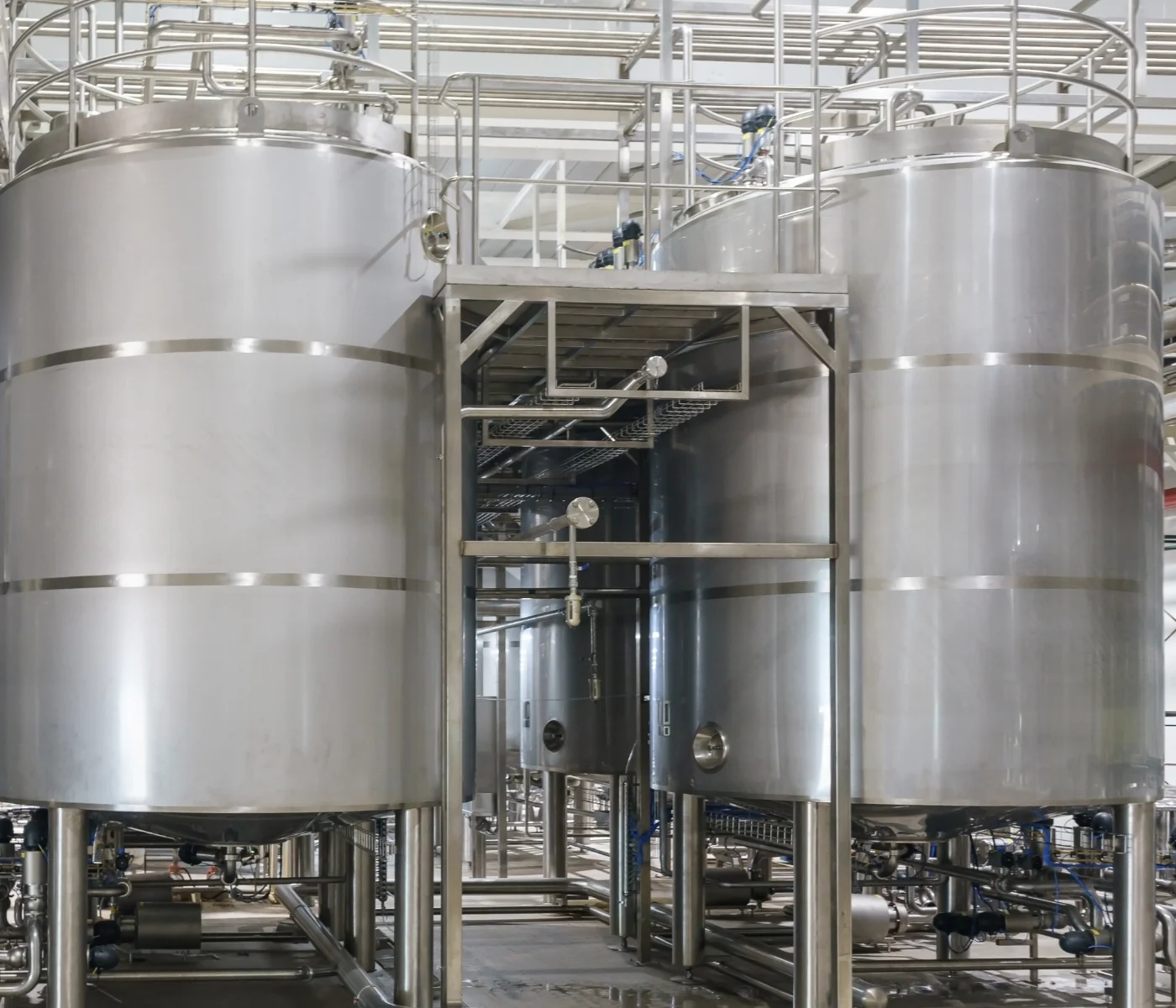
Process validation follows functional system completion. Cortex supports Installation Qualification (IQ), Operational Qualification (OQ), and Performance Qualification (PQ) protocols in coordination with client quality teams — confirming that equipment is installed per approved design documents and URS requirements and performs as intended. Equipment verification against construction drawings and process validation prior to production are coordinated as part of this phase.
Regulated environments require documentation that is current, complete and traceable. Cortex develops and maintains project documentation throughout each phase, including design drawings, equipment specifications,, IQ/OQ/PQ protocols through as-built updates, validation records and turnover packages.
Final documentation is compiled and reviewed prior to production release. As-built P&IDs and drawings are updated to reflect field conditions and final configurations. Turnover packages are structured to support ongoing regulatory requirements so facilities aren’t left reconciling records after the project closes.

Qualified Utility Systems and Supporting Infrastructure
Pharmaceutical and API manufacturing facilities depend on utility systems that meet the same qualification and documentation standards as the process equipment they support. Cortex designs and coordinates the full range of facility utilities — including clean steam, WFI and purified water distribution, compressed air systems designed to ISO 8573 purity classifications, nitrogen and specialty gas supply, and electrical power distribution — with qualification built into the engineering process from the start where required.
Utility systems are sized against defined process loads, integrated with mechanical and process design, and documented to support IQ/OQ qualification protocols and ongoing regulatory compliance. Where utilities interface with product contact systems, material selection, surface finish specifications, and slope requirements conform to ASME BPE and applicable USP standards. The result is infrastructure that is not only fit for purpose on day one, but maintainable and expandable through the life of the facility.