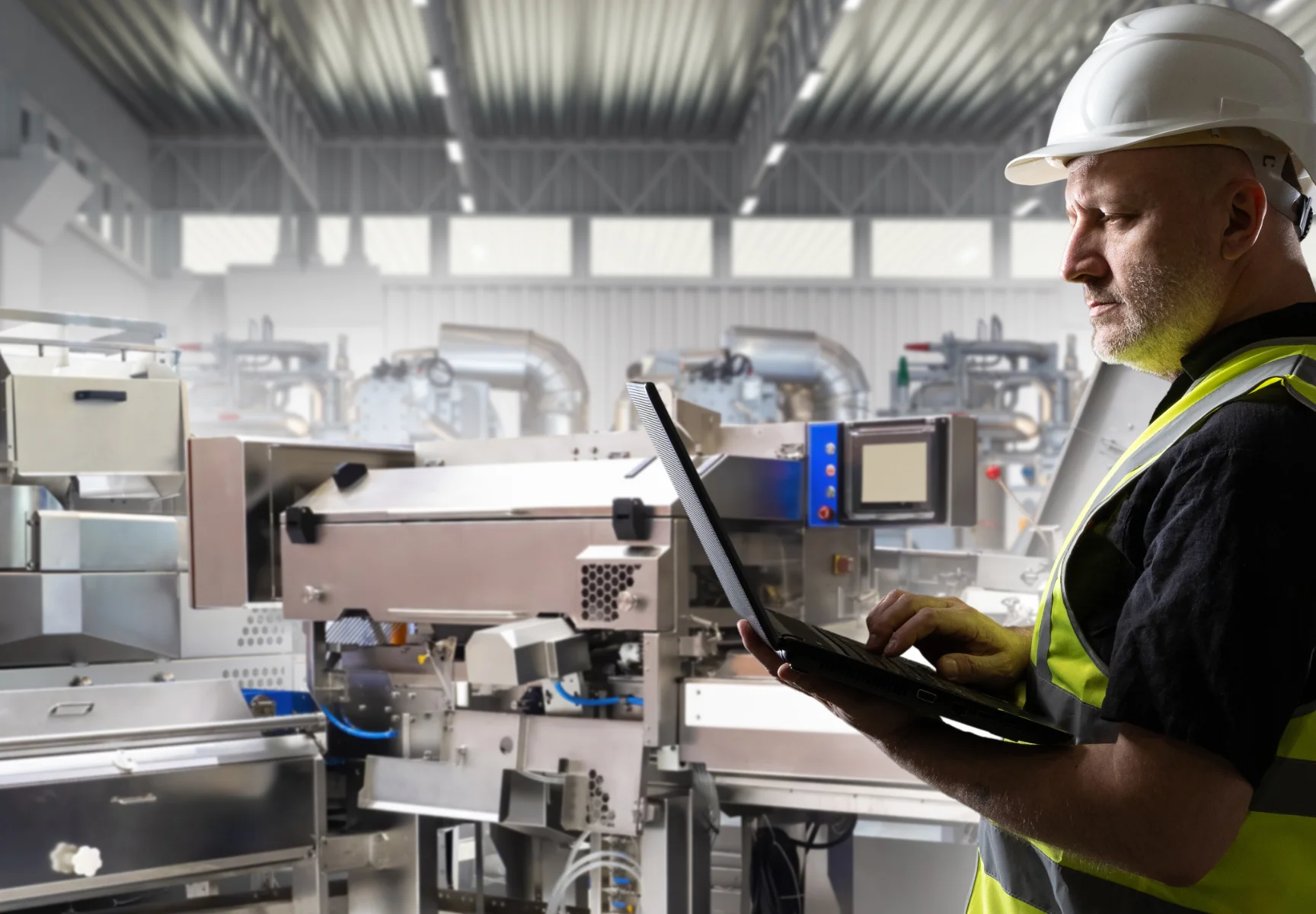
Controls & Automation Engineered for Industrial Performance
Controls and automation determine how equipment responds, how production is monitored, and how performance is sustained over time.
At Cortex, automation systems are built around client preferences, process requirements and facility constraints. Hardware architecture and programming standards are developed together so systems remain maintainable by client teams and expandable as production needs evolve.
System Architecture & Power Assessment
We review existing controls infrastructure to determine current system capabilities and develop future-state control system architectures.
Cortex works across major control platforms — including Rockwell, Siemens, DeltaV and Ignition — and is a Rockwell Certified Integration Company, with deep expertise across the ControlLogix and CompactLogix families.
Capabilities include:
- Control system architecture development
- I/O technology and infrastructure
- Network topology
- Electrical schematic and loop diagrams
- Functional Description Specifications
- Hardware platform selection (Rockwell, Siemens, DeltaV, Ignition, Foxboro I/A, and others)
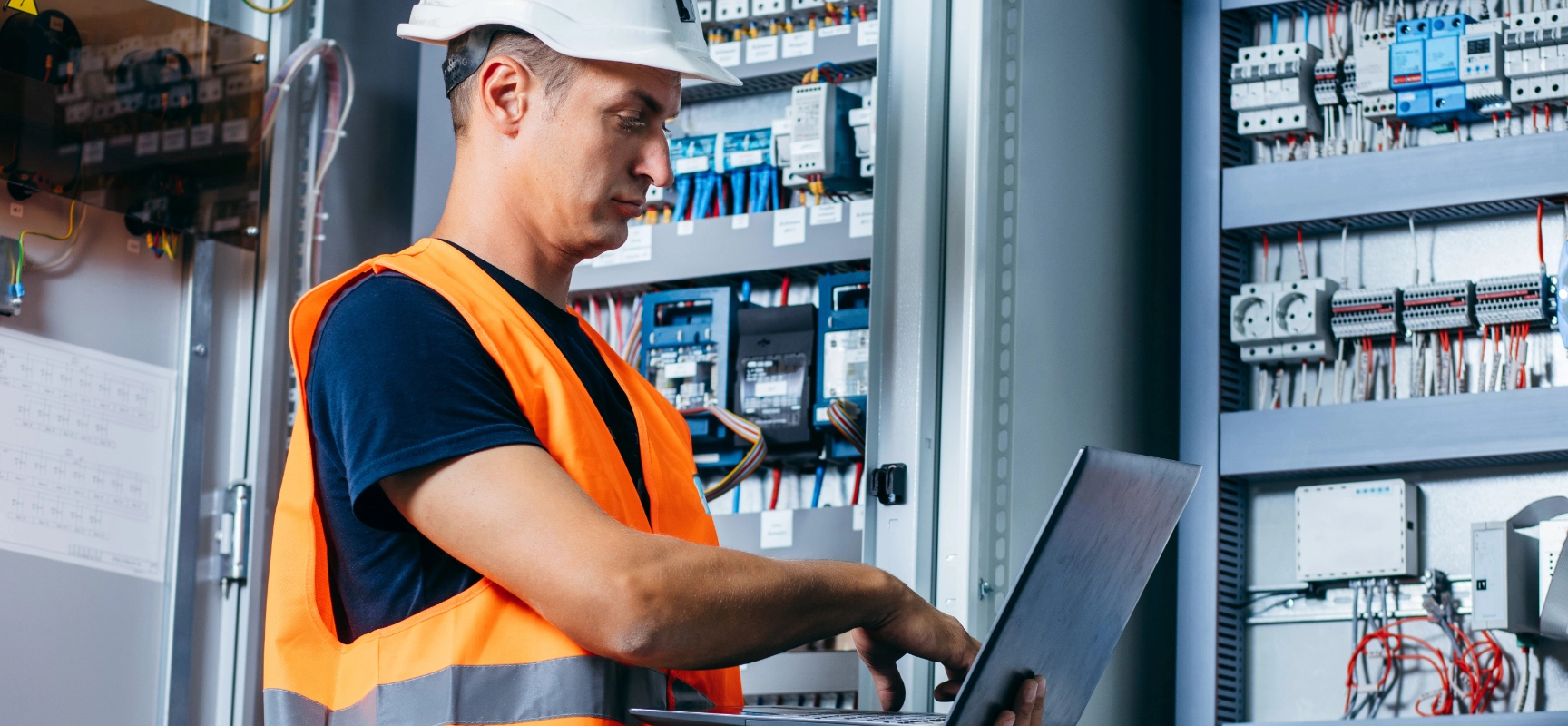
Full Controls System Migrations
Aging control systems create operational risk that compounds over time. Obsolete PLCs, end-of-life instrumentation, unsupported SCADA platforms and legacy panel infrastructure leave facilities exposed as parts become unavailable, vendor support ends and institutional knowledge walks out the door.
Cortex manages full controls system migrations from assessment through cutover — evaluating what exists, defining what the replacement system needs to do and executing the transition with minimal disruption to active production. Migrations are planned around facility operating windows so production exposure is controlled.
Capabilities include:
- Assessment of existing control systems, I/O infrastructure and instrumentation for obsolescence and replacement planning
- Legacy PLC and controller migrations to modern platforms
- SCADA and HMI platform migrations with process data and historical continuity
- Instrumentation replacement — transmitters, valves, field devices — coordinated with control system changes
- Control narrative redevelopment to capture and formalize undocumented or tribal-knowledge logic
- Phased migration planning to sequence work within defined production windows
- Parallel run and cutover planning to minimize process risk during transition
- Documentation development for migrated systems, including updated P&IDs and loop drawings
Control Narrative & Programming Development
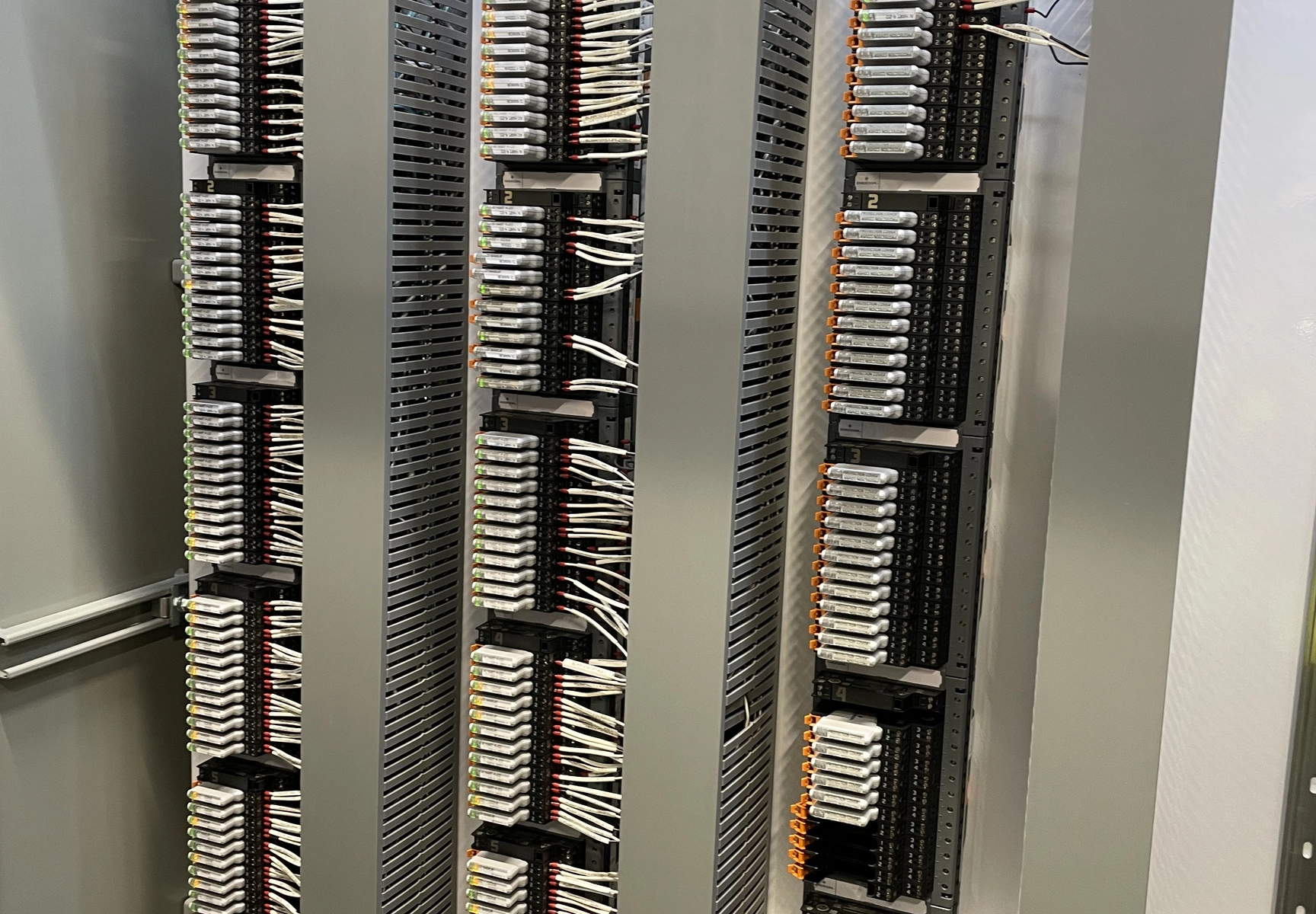
We develop control narratives that describe system operation under normal and abnormal conditions. Programming follows established standards so systems are clear and maintainable. Code structure supports future modification without requiring full replacement.
Capabilities include:
- Control narrative development
- PLC programming
- SCADA and HMI configuration
- Full batching systems (FTBatch, InBatch)
- Historian integration for long-term data tracking and reporting
- MES integration support
Panel Design & System Integration
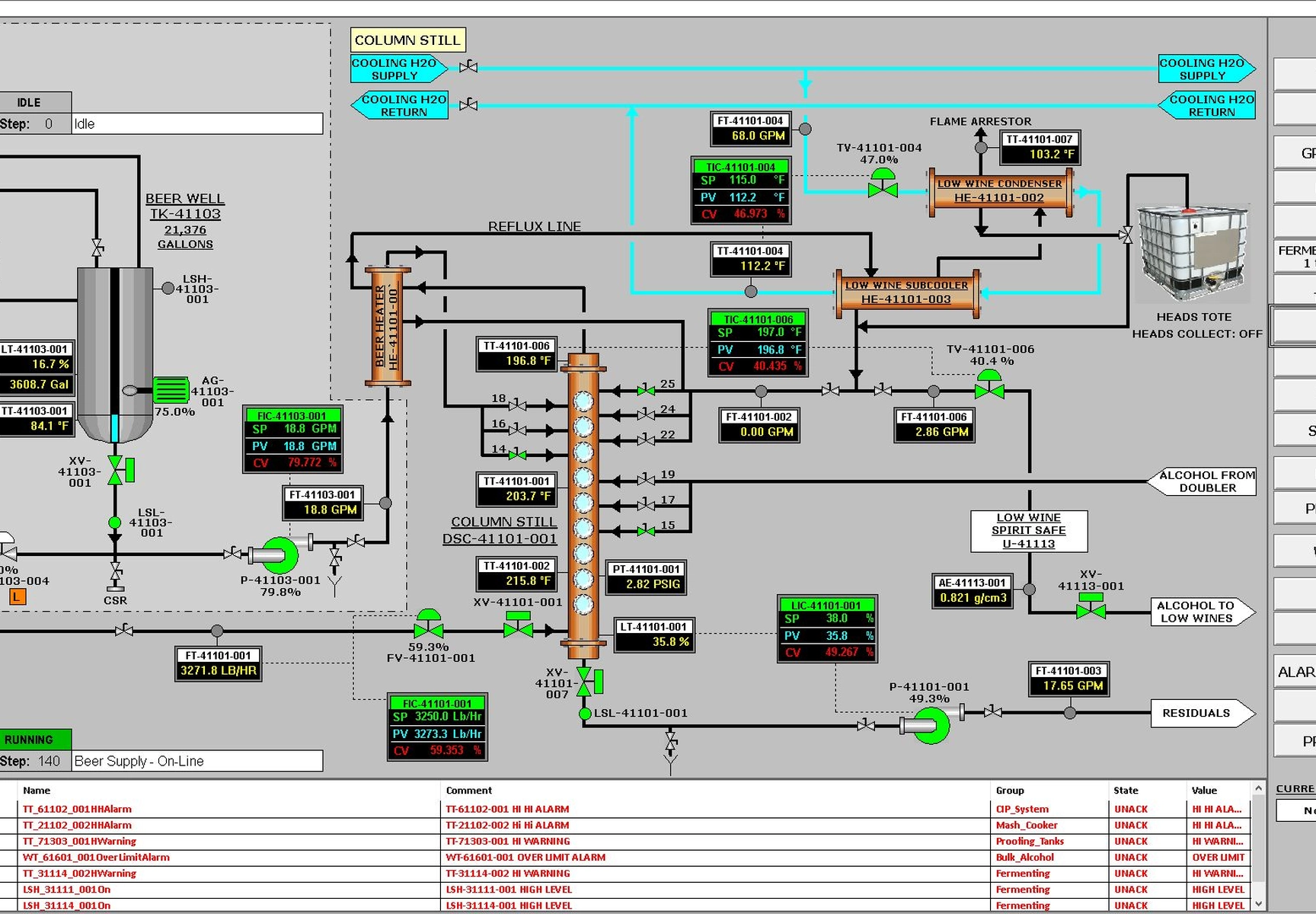
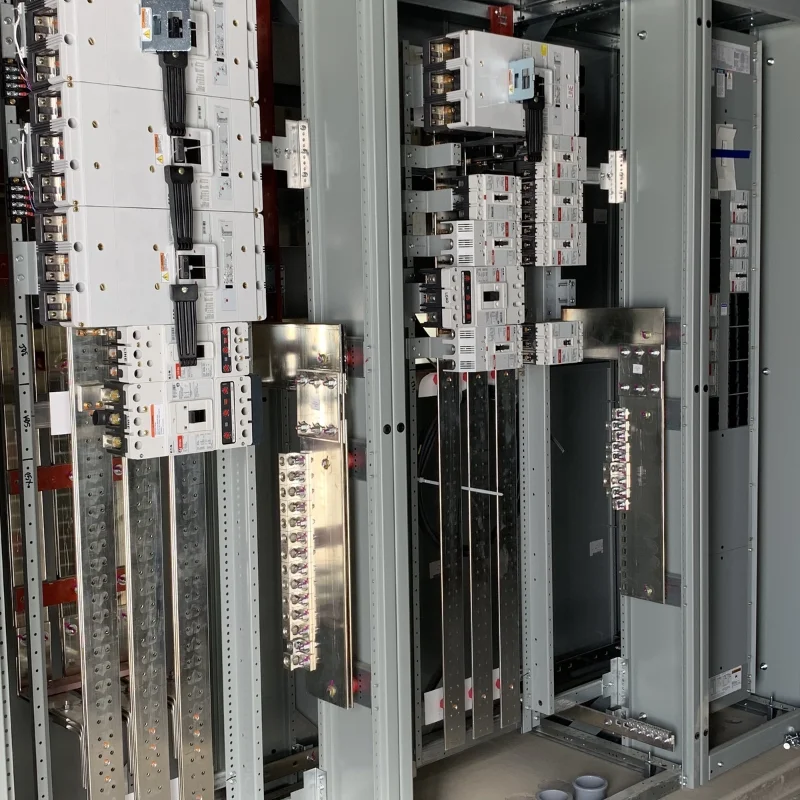
Control panels and field devices are coordinated with mechanical and process systems. We define panel layouts and I/O architecture to support accurate installation, and integration is reviewed early to prevent wiring conflicts and late-stage changes. Where future expansion is anticipated, we build in I/O and panel capacity from the start so growth doesn’t require replacing what was just installed.
Capabilities include:
- Control panel design, specification and supply through partner panel shops
- I/O layout and field device coordination
- Conduit and cable tray coordination (as required)
- Integration with process and mechanical systems
- Support for long-lead equipment & instrumentation procurement
- Integration with utility system monitoring and infrastructure
- Expansion capacity planning integrated into panel and I/O design
FAT, Commissioning, Validation & Ongoing Support
Before systems ship, software and hardware are tested in a controlled environment to confirm logic and integration. This reduces field commissioning time and catches issues before they arrive on-site.
Controls engineering extends through on-site installation, commissioning and early production. Systems are reviewed during installation to confirm alignment with design documents, validation is completed before production begins and client teams are trained to operate and maintain the system independently.
Capabilities include:
- Software Factory Acceptance Testing (sFAT)
- Hardware and I/O point verification
- Simulation of process sequences prior to field deployment
- Documentation of test results for validation and turnover packages
- On-site startup and commissioning support
- Installation review and system verification
- Process and equipment validation prior to production
- Operator and maintenance training
- Remote support and post-startup assistance