Industries
How Cortex Helps Chemical Manufacturing Teams
Cortex works with plant and corporate engineering teams to plan and execute process modifications, capacity expansions and infrastructure upgrades inside active chemical manufacturing facilities – from specialty chemical producers to bulk commodity plants. Our process-centered approach ensures new systems are designed to meet safety and regulatory requirements from the start, integrate with existing operations, and support long-term production goals.
Projects inside chemical facilities require close coordination across process, mechanical, electrical, controls, structural, and safety disciplines. We begin by evaluating existing systems to understand process conditions, material handling requirements and utility capacity before design begins.
Laser scanning and integrated 3D modeling are used to capture existing conditions and validate how new systems will integrate with active process infrastructure. In chemical manufacturing environments where planned shutdown windows are finite, confirming fit before construction begins protects schedules and reduces field rework.
Process System Modifications & Expansions
We evaluate current production constraints and define what must change to support modified chemistry, higher throughput or new product lines. This may include process redesign, reactor or vessel modifications, piping reroutes, additional storage and material handling systems, or structural support for new equipment installations.
New systems are integrated with existing process infrastructure—including tanks, heat exchangers, separation equipment and transfer systems—with controls and automation coordinated across disciplines and equipment. Phased engineering allows teams to confirm process viability and cost exposure before committing to full design. 3D modeling supports layout validation and shutdown planning so modifications can be executed within defined shutdown windows.

Hazardous Material Handling, Process Safety & Regulatory Compliance
Chemical manufacturing facilities handle materials that require engineering consideration at every level, including material compatibility and selection, pressure relief, ventilation and secondary containment design. Engineering decisions made early have direct implications for safety, operability and regulatory standing, including applicable requirements such as PSM, EPA, HAZOM, SIL, etc.
We design systems with these requirements built in from the start—not addressed after the fact. Material compatibility, process conditions and applicable safety standards inform equipment specification, piping design and facility layout across every project phase.
Utilities & Infrastructure
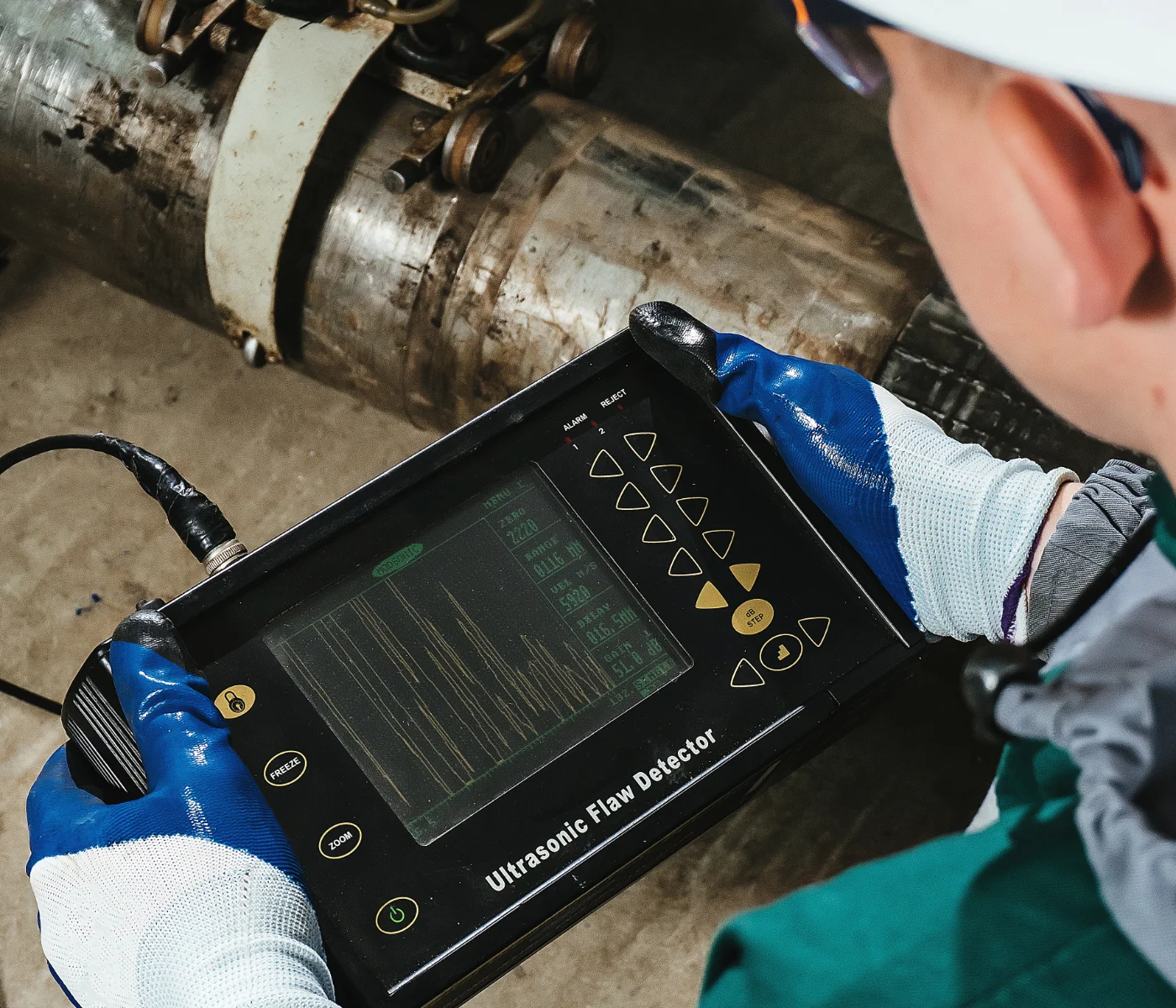
Steam, compressed air, nitrogen, CO₂, cooling water and process water must consistently support process demand. We assess existing utility capacity early and model projected loads based on defined production requirements.
We assess existing utility capacity against defined process loads early in the project – before layout or equipment selection is fixed. Utility systems are coordinated with process and mechanical design from the start, so infrastructure decisions made during front-end engineering don’t create constraints during future operations.

Instrumentation, Automation & Controls
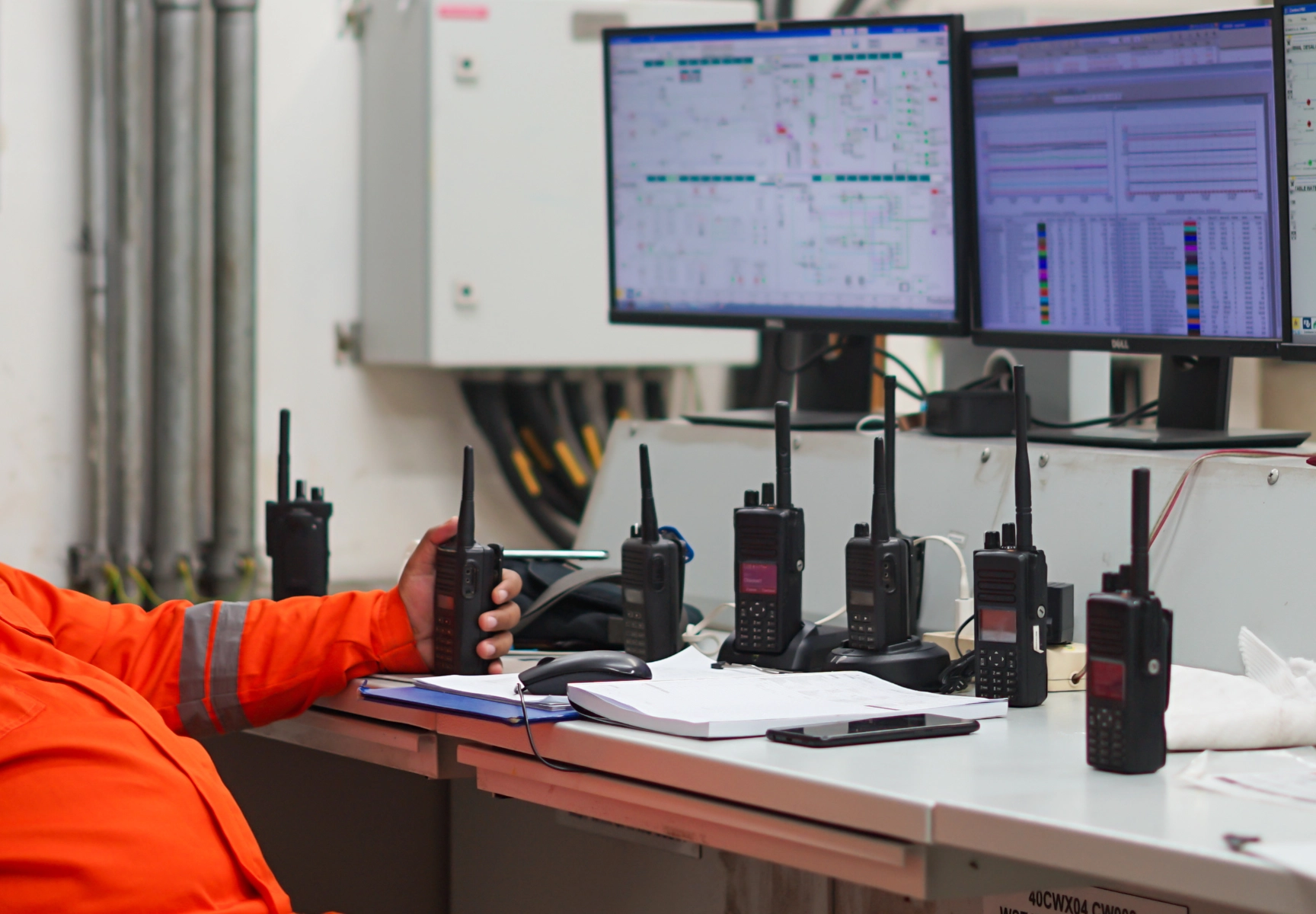
Chemical process environments require control systems that are reliable, clearly documented, intrinsically safe, and maintainable by in-house operations and maintenance teams. We evaluate existing control architecture – including legacy PLC’s, DCS configurations, and field instrumentation – to determine what can be retained, upgraded or expanded before new systems are specified.
Control narratives are developed early so process intent and safety interlocks are clearly defined before programming begins. Systems are configured around open and maintainable standards so client staff can operate and service them without outside dependency.